
AI Overview
The rainy season can cause acne, fungal infections, oily skin, and irritation due to increased humidity, sweat, and bacteria. Following a proper skincare routine with cleansing, moisturization, sunscreen, and timely dermatological care can help protect your skin. If skin concerns persist, consult the experts at Dermatrichs for personalized treatment and healthier skin.
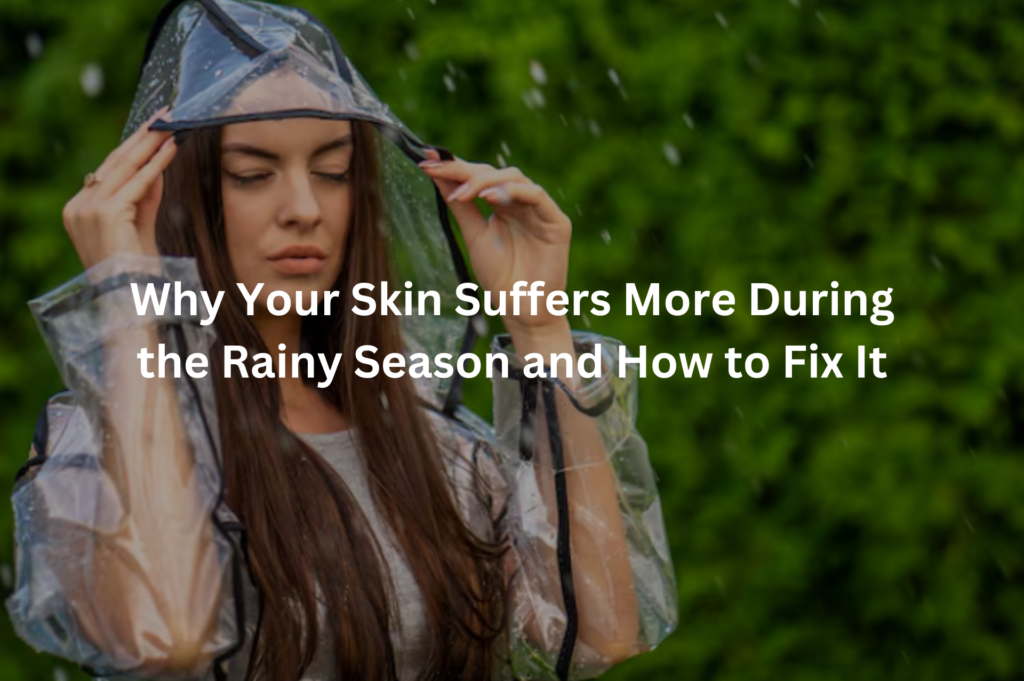
Why Your Skin Suffers More During the Rainy Season and How to Fix It
The rainy season brings welcome relief from the summer heat, but it can also create several challenges for your skin. While the cool weather feels refreshing, increased humidity, sweating, pollution, and damp conditions make it easier for bacteria and fungi to thrive. As a result, many people experience acne, fungal infections, dullness, itching, oily skin, and clogged pores during the monsoon.
Many believe that humid weather naturally keeps the skin hydrated, but excessive moisture in the air can actually disrupt your skin’s balance. Understanding these seasonal changes can help you protect your skin and prevent common problems before they become serious. If you notice persistent skin concerns, consulting a skin specialist Kanpur can help you receive the right diagnosis and treatment.
Why Does Your Skin Suffer During the Rainy Season?
Your skin reacts differently during the monsoon because of environmental changes. High humidity increases oil production, while sweat and dirt easily stick to the skin. Together, they create an ideal environment for bacterial and fungal growth.
Excess Oil Production
Humidity stimulates the sebaceous glands to produce more oil. This extra oil mixes with sweat, dust, and dead skin cells, leading to clogged pores and frequent acne breakouts. People with oily and combination skin often notice their face becoming greasy within a few hours.
Sweat and Dirt Build Up
Even though the temperature feels lower than summer, your body continues to sweat. Sweat that remains on the skin attracts dirt and bacteria, increasing the chances of pimples, rashes, and irritation.
Fungal Infections
Warm and moist conditions allow fungal infections to spread quickly. Areas such as the feet, underarms, neck, groin, and skin folds are especially vulnerable. Wearing damp clothes for long periods further increases the risk.
Pollution and Rainwater
Rainwater mixes with pollutants present in the atmosphere. When these impurities remain on your skin, they can weaken the skin barrier and trigger allergies, itching, and inflammation.
Common Skin Problems During Monsoon
everal skin conditions become more common during the rainy season.
Acne and Pimples
Increased oil production blocks pores, allowing acne causing bacteria to multiply. Existing acne may become more inflamed during humid weather.
Fungal Skin Infections
Red, itchy, circular rashes often develop in moist areas of the body. These infections spread quickly if left untreated.
Skin Allergies
People with sensitive skin may experience redness, itching, or irritation due to pollution, humidity, or contaminated rainwater.
Dull and Tired Looking Skin
Dead skin cells accumulate on the surface, making the skin appear rough and lifeless despite the humid weather.
Dry and Sensitive Skin
Although humidity is high, repeated cleansing and spending time in air conditioned environments can still leave the skin dehydrated.
How to Protect Your Skin During the Rainy Season
Cleanse Your Face Properly
Wash your face twice daily using a gentle cleanser suitable for your skin type. Cleansing removes excess oil, sweat, and dirt without damaging the skin barrier.
Avoid harsh soaps that strip away natural moisture.
Moisturize Daily
Many people skip moisturizer during the rainy season, but hydration is still essential. Choose a lightweight moisturizer that hydrates without feeling greasy.
Healthy skin requires balanced hydration throughout the year.
Never Skip Sunscreen
Clouds do not block harmful ultraviolet rays. Applying sunscreen every morning protects your skin from tanning, pigmentation, and premature aging.
Exfoliate Once or Twice Weekly
Gentle exfoliation removes dead skin cells and helps prevent clogged pores. Over exfoliating can irritate the skin, so moderation is important.
Keep Your Skin Dry
Always dry your face and body after getting wet in the rain. Change out of damp clothes as soon as possible to reduce the risk of fungal infections.
Stay Hydrated
Drink plenty of water throughout the day. Proper hydration supports healthy skin function and improves elasticity.
Eat a Skin Friendly Diet
Your diet directly affects your skin health. Include fresh fruits, vegetables, whole grains, yogurt, nuts, and foods rich in antioxidants. Limiting oily and sugary foods may also help reduce acne.
Monsoon Skincare Tips for Different Skin Types
Oily Skin
Use gel based cleansers and oil free moisturizers to control excess shine without drying your skin.
Dry Skin
Choose hydrating cleansers and moisturizers that strengthen the skin barrier and prevent moisture loss.
Combination Skin
Balance oil control with hydration by using products designed specifically for combination skin.
Sensitive Skin
Stick to fragrance free skincare products and avoid experimenting with multiple new products during the rainy season.
When Should You See a Dermatologist?
While mild skin concerns often improve with proper skincare, professional treatment is necessary if symptoms continue or worsen.
Consult a dermatologist in Kanpur if you experience persistent acne, severe itching, recurring fungal infections, unexplained rashes, skin allergies, painful pimples, or pigmentation that does not improve.
Early treatment helps prevent long term skin damage and provides faster relief.
Who Is More Likely to Develop Fungal Infections?
Some people are at a higher risk of developing fungal infections during the rainy season.
These include:
- People with diabetes
- Individuals with obesity
- People who sweat excessively
- Athletes
- Outdoor workers
- Older adults
- Individuals with weakened immunity
If you belong to any of these groups, taking extra care of your skin during the monsoon is essential.
Professional Skin Treatments During Monsoon
Depending on your skin condition, treatments such as professional deep cleansing, chemical peels, acne management, antifungal therapy, hydration treatments, and customized skincare plans may be recommended. These treatments address the root cause of skin concerns while improving overall skin health.
If you are looking for reliable skin treatment in Kanpur, consulting an experienced dermatologist can help you receive an accurate diagnosis and a personalized treatment plan based on your skin type and specific concerns. Early treatment can prevent skin conditions from worsening and help you maintain healthy skin throughout every season.
Conclusion
The rainy season can lead to acne, fungal infections, oily skin, and other common skin concerns. Following a proper skincare routine and seeking timely treatment can help keep your skin healthy throughout the season. If you experience persistent skin problems, Dermatrichs offers personalized dermatology care to help you achieve healthy, glowing skin all year round. Book your appointment today and give your skin the expert care it deserves.
