
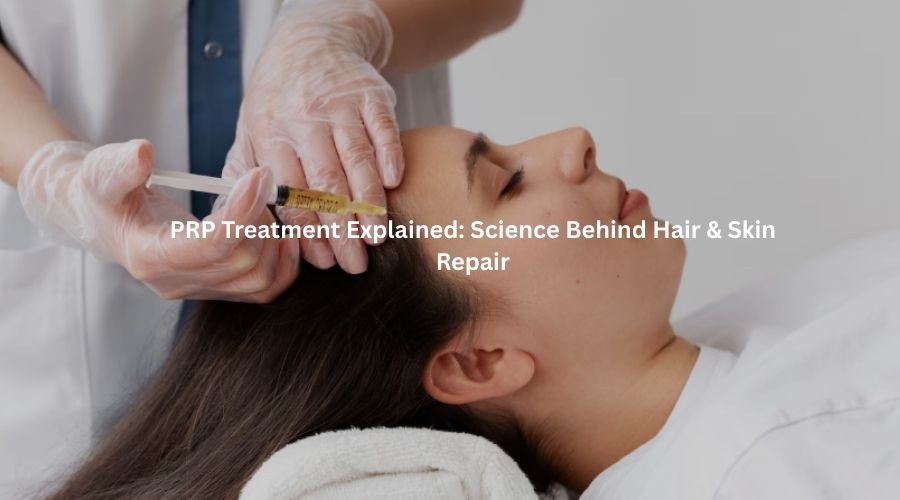
Hair thinning, excessive hair fall, acne scars, and early signs of skin ageing are no longer limited to genetics or age. Lifestyle stress, pollution exposure, hormonal imbalance, and delayed medical intervention have made regenerative treatments increasingly relevant. This shift is reflected in the growing demand for PRP treatment Kanpur, particularly among individuals seeking science-backed solutions rather than cosmetic concealment.
Dermatologists working at advanced centres such as Dermatrichs Clinic highlight that PRP treatment focuses on restoring biological function rather than providing surface-level improvement. This article explains the medical science behind PRP, its role in modern dermatology, and how it supports long-term hair and skin repair.
This is why many people searching for a Dermatologist in Kanpur, a Kanpur hair doctor, or the best hair doctor Kanpur are often unsure about when hair fall becomes a medical concern. This guide explains when consulting a hair specialist is necessary, what modern hair treatment involves, and how timely medical care can prevent long-term hair loss.
What Is PRP Treatment?
PRP (Platelet-Rich Plasma) treatment is a regenerative medical procedure that uses a concentrated form of the patient’s own blood platelets to stimulate healing and tissue repair. Platelets contain growth factors that play a key role in cell regeneration, collagen production, and improved blood circulation.
In dermatology, PRP treatment Kanpur is widely used for managing hair fall, improving scalp health, rejuvenating skin, and reducing acne scars. Since PRP uses the body’s own biological components, it is considered a safe and biocompatible procedure when performed in a controlled medical setting such as a certified dermatology clinic.
Consulting a Dermatologist in Kanpur for hair concerns allows early identification of conditions such as androgenetic alopecia, telogen effluvium, scalp inflammation, or hormonal hair loss. Medical evaluation ensures that treatment targets the cause, not just the symptom.
How PRP Treatment Works at a Cellular Level
PRP treatment works by activating the body’s natural repair mechanisms. After blood collection, platelet-rich plasma is separated and injected into targeted scalp or skin areas.
Once administered, PRP stimulates:
- Increased blood flow to hair follicles and skin tissue
- Activation of dormant or weakened hair follicles
- Enhanced collagen and elastin synthesis
- Faster cellular repair and tissue regeneration
This biological action explains why PRP is effective for both hair restoration and skin repair.
Why PRP Treatment Is Important
Dermatologists report that hair and skin concerns today are more complex, persistent, and environmentally driven than before. Regenerative treatments are increasingly preferred over cosmetic-only solutions.
PRP treatment has gained importance because:
- Hair fall is occurring at younger ages
- Skin damage from pollution is cumulative
- Patients prefer minimally invasive medical procedures
- Natural regenerative treatments are prioritised
- Long-term tissue repair is valued over temporary results
As a result, PRP treatment Kanpur is now considered a core dermatological therapy rather than an alternative option.
What Is PRP Treatment?
PRP (Platelet-Rich Plasma) treatment is a regenerative medical procedure that uses a concentrated form of the patient’s own blood platelets to stimulate healing and tissue repair. Platelets contain growth factors that play a key role in cell regeneration, collagen production, and improved blood circulation.
In dermatology, PRP treatment Kanpur is widely used for managing hair fall, improving scalp health, rejuvenating skin, and reducing acne scars. Since PRP uses the body’s own biological components, it is considered a safe and biocompatible procedure when performed in a controlled medical setting such as a certified dermatology clinic.
How PRP Treatment Works at a Cellular Level
PRP treatment works by activating the body’s natural repair mechanisms. After blood collection, platelet-rich plasma is separated and injected into targeted scalp or skin areas.
Once administered, PRP stimulates:
- Increased blood flow to hair follicles and skin tissue
- Activation of dormant or weakened hair follicles
- Enhanced collagen and elastin synthesis
- Faster cellular repair and tissue regeneration
This biological action explains why PRP is effective for both hair restoration and skin repair.
Why PRP Treatment Is Important
Dermatologists report that hair and skin concerns today are more complex, persistent, and environmentally driven than before. Regenerative treatments are increasingly preferred over cosmetic-only solutions.
PRP treatment has gained importance because:
- Hair fall is occurring at younger ages
- Skin damage from pollution is cumulative
- Patients prefer minimally invasive medical procedures
- Natural regenerative treatments are prioritised
- Long-term tissue repair is valued over temporary results
As a result, PRP treatment Kanpur is now considered a core dermatological therapy rather than an alternative option.
PRP Treatment for Hair Restoration
PRP is commonly recommended for hair loss conditions such as androgenetic alopecia and stress-related hair fall. It strengthens hair follicles and improves scalp circulation.
PRP for hair helps by:
- Reducing excessive hair shedding
- Improving hair density and thickness
- Strengthening weak or miniaturised follicles
- Supporting healthier scalp environment
Dermatologists often integrate PRP into structured hair treatment plans for sustainable improvement.
PRP Treatment for Skin Repair and Rejuvenation
PRP is also used extensively in skin treatments. Growth factors released from platelets stimulate collagen production and tissue renewal.
PRP for skin is used to:
- Improve overall skin texture and tone
- Reduce acne scars and fine lines
- Enhance skin firmness and elasticity
- Support long-term skin regeneration
This regenerative approach differentiates PRP from surface-based cosmetic treatments.
Latest Trends & Innovations in PRP Treatment
PRP protocols have evolved significantly in recent years. Dermatologists now customise treatment based on individual hair and skin concerns.
Recent innovations include:
- Advanced centrifugation techniques for higher platelet concentration
- Targeted PRP injections based on scalp mapping
- Combination protocols with energy-based procedures
- PRP used alongside laser hair removal in Kanpur to support skin quality improvement after repeated laser sessions
- Maintenance PRP treatments for long-term results
These advancements have improved consistency and predictability in PRP outcomes.
Benefits of PRP Treatment
PRP treatment offers several clinical advantages for individuals seeking natural hair and skin repair.
Key benefits include:
- Uses the patient’s own blood components
- Minimal risk of allergic or adverse reactions
- Non-surgical and low downtime
- Suitable for both hair and skin concerns
- Supports biological repair rather than cosmetic masking
This makes PRP a preferred option at specialised dermatology centres such as Dermatrichs Clinic.
Expert Tips for Optimal PRP Results
Medical experts recommend a structured and disciplined approach to PRP treatment.
Best practices include:
- Proper scalp or skin assessment before treatment
- Adhering to recommended session schedules
- Maintaining scalp and skin hygiene
- Using dermatologist-advised supportive care
- Monitoring progress through follow-up visits
These steps help ensure consistent and long-lasting improvement.
Conclusion
PRP treatment represents a scientifically grounded approach to hair and skin repair, focusing on regeneration rather than temporary correction. With increasing environmental and lifestyle-related damage, regenerative therapies have become a crucial part of modern dermatology.
When performed through proper medical evaluation and evidence-based protocols, PRP treatment Kanpur delivers visible improvement, healthier tissue response, and long-term stability for both hair and skin
